Smart glasses at work: what the EU data protection board says
Visible recording, clear responsibility and extra care in sensitive places: the EDPB’s message to everyone using smart glasses.
The AdeptGlass team
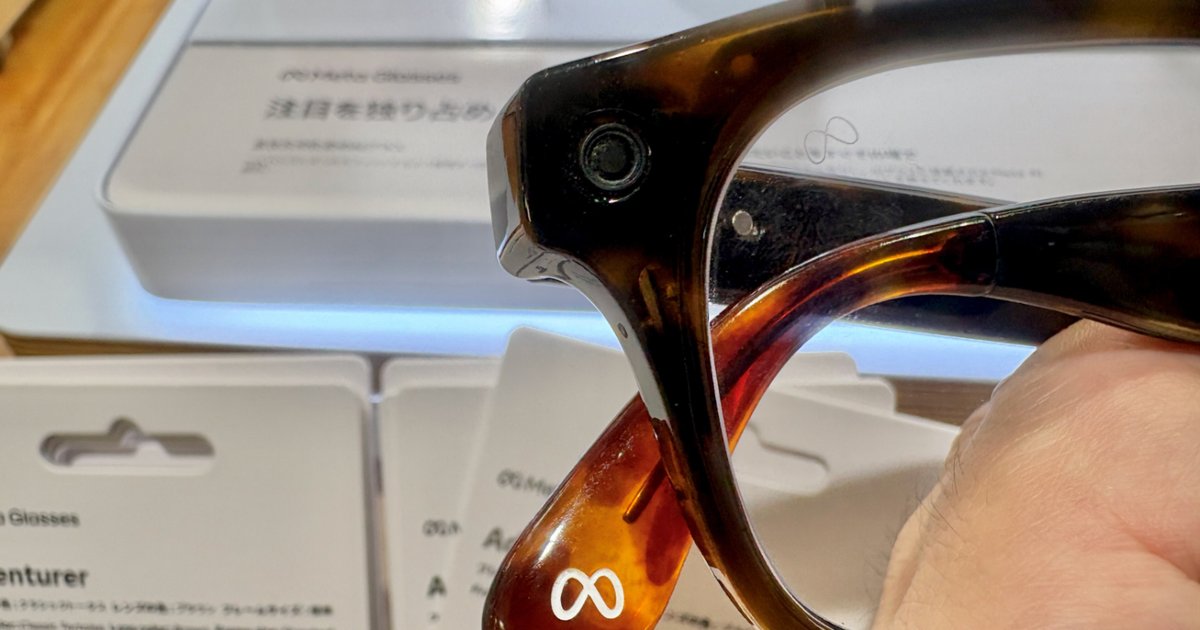
Photo: Kyu3a / Wikimedia Commons, CC BY-SA 4.0 (cropped)
On 13 October the European Data Protection Board (EDPB) published Statement 1/2026 on smart glasses. The board itself calls it preliminary guidance, addressed to users, manufacturers and service providers.
The key points
- Recording should be obvious. “Smart glasses should make their recording obvious,” the board writes. It names bright lights, sound signals, voice activation cues and phone notifications as examples.
- Responsibility cannot be passed on. Neither the manufacturer nor the provider of a linked app or service can transfer its obligations to the user.
- Work is not private use. When someone uses the glasses for official or professional activities, the board says they count as a data controller. Recording family and friends, by contrast, is a purely personal activity.
- Sensitive places. In hospitals, schools and workplaces the risks are even greater, according to the board.
What should a company watch out for?
The statement does not give companies a ready-made checklist for rolling out glasses, but the direction is clear: be clear about what you use the glasses for, make recording visible to the people around, and know who can access the recordings. It is worth going through this with your data protection specialist before a team-wide rollout.
How does AdeptGlass fit in?
In AdeptGlass the camera only works during an active session that the wearer starts and stops; nothing runs in the background. Only the people your company allows can see the recordings, and access can be revoked at any time. Your company’s material never trains a public or shared model. This does not replace your own data protection assessment, but it is a good starting point for it.
Want to talk through how a rollout would work at your company? Get in touch.